
- by Cole Gargaro
Florida's Amendment 3 Homestead Deadline: Why Buying Before December 31 Matters
If you own a home in Florida, or you’re thinking about buying one, December 31, 2026 could be one of the most important dates on your calendar this year. On November 3, Florida voters will decide on Amendment 3, a proposal that would significantly increase the homestead property tax exemption. If it passes, the timing of when you become a Florida resident could determine whether you see those savings in 2027 or wait five years for them.
What Is Florida's Amendment 3?
Amendment 3, titled “Increased Homestead Exemption; Lower Cap on Increases in Non-Homestead Property Assessments,” appears on the November 3, 2026 ballot. It needs at least 60% voter approval to pass. If approved, it takes effect January 1, 2027.
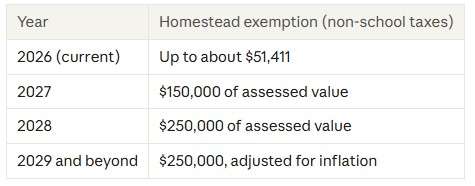
Today, Florida’s maximum homestead exemption is roughly $51,000. Amendment 3 would raise the exemption on non-school property taxes in two steps:
A few important details:
- School taxes still apply. The larger exemption covers non-school taxes only, so homeowners continue to pay school property taxes in full.
- Second homes and rentals get relief too. The annual cap on assessment increases for non-homestead properties would drop from 10% to 5%.
- The savings can be meaningful. FloridaTaxWatch estimates annual savings of about $1,100 in 2027 and $2,200 in 2028 for a typical Orlando homeowner, with some communities seeing savings above $3,000 a year by 2028. Your actual savings depend on your home’s assessed value and local tax rates.
The December 31, 2026 Residency Deadline
Here’s the part every buyer considering Florida should understand. The increased exemption is available only to people who maintain permanent residence in Florida as of December 31, 2026, and who otherwise qualify for a homestead exemption.
If you become a Florida resident after that date, the rules are different:
- Established by December 31, 2026: Eligible for the $150,000 exemption in 2027 and $250,000 in 2028.
- Established after December 31, 2026: Starts with a smaller exemption of up to $50,000 and becomes eligible for the increased exemption beginning in the fifth year of the exemption.
In other words, a buyer who waits until January could spend roughly five years paying property taxes on a much larger portion of their home’s value than a neighbor who moved in just weeks earlier.
One important detail: establishing Florida residency and qualifying a specific property as your homestead are two separate steps. Evidence of residency can include a Florida driver’s license, voter registration, vehicle registration, a declaration of domicile, and updated mailing and financial addresses. Owning and occupying your Florida home as your primary residence is what qualifies it for the homestead exemption.
What It Means for Current Florida Homeowners
If you already live in Florida and have a homestead exemption, Amendment 3 could lower your property tax bill starting in 2027, with larger savings in 2028. For many homeowners, that’s hundreds to a few thousand dollars a year back in their pocket, which adds up to real home equity and long-term cost savings.
What It Means for Buyers: Why Timing Matters
If you’ve been considering a move to Florida, Amendment 3 adds a clear reason to act sooner rather than later. Purchasing your primary home and establishing permanent residency before December 31, 2026 positions you for the full increased exemption as soon as it’s available.
Waiting until after the new year doesn’t close the door, but it does mean a smaller exemption for roughly the first five years. On a home in the $400,000 to $600,000 range, the difference between a $50,000 and a $250,000 exemption on non-school taxes can be substantial over that period.
Closing a home purchase takes time. With roughly two months until year-end, buyers who want to take advantage of this window should start now. That means getting pre-approved, defining your home search, and working with an agent who can move quickly when the right home comes along.
And if Amendment 3 doesn’t pass on November 3, buying before year-end still gets you settled into your new home and positioned for Florida’s existing homestead protections.
Your Pre-Deadline Checklist
- Get pre-approved now so you’re ready to make a strong offer.
- Connect with a Lamacchia Realty agent who knows the South Florida market and can help you move efficiently.
- Target a closing date before December 31, 2026, leaving a cushion for inspections, appraisal, and underwriting.
- Establish Florida residency by updating your driver’s license, voter registration, vehicle registration, and mailing and financial addresses, and consider filing a declaration of domicile.
- Move in and make it your primary residence, then file for your homestead exemption with your county property appraiser.
- Consult a tax or legal professional about your specific situation, especially if you’re keeping a home in another state.
Let Lamacchia Realty Guide You to Your Success
Whether you’re a current homeowner wondering what Amendment 3 means for your tax bill or a buyer ready to make Florida home before year-end, our South Florida REALTORS are here to help. We’ll give you an honest picture of the market, help you find the right home, and keep your timeline on track.
Ready to start your Florida home search? Contact Lamacchia Realty today to connect with a local agent.
This article is for informational purposes only and is not legal or tax advice. Amendment 3 must be approved by voters on November 3, 2026 to take effect. Please consult a qualified tax professional or attorney about your situation.